
Можно ли использовать этот привод в режиме модулирования?
2026-06-15 Блог
Introduction to Modulating Service for Actuators
The question of whether an actuator can be used for modulating service is often raised in industrial applications. Modulating actuators are designed to adjust position or flow based on control signals, making them versatile for various industrial processes. In industries such as oil and gas, petrochemicals, and water treatment, the need for precise control over fluid systems is critical. Understanding the capabilities of an actuator in modulating applications is essential for procurement managers and engineers. This article explores the suitability of actuators for modulating service, highlighting key considerations for industrial applications. The discussion is structured to provide clear insights for decision-makers in relevant sectors.
Performance Characteristics of Different Actuator Types
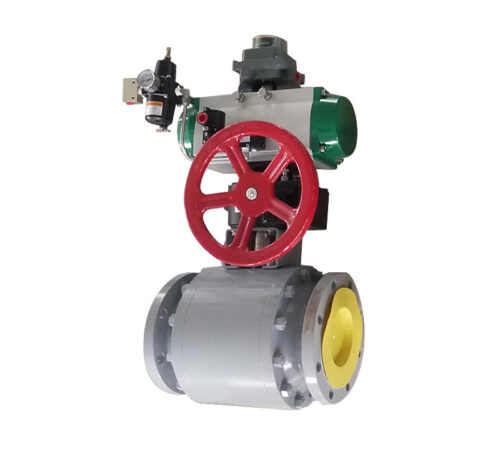
Each type of actuator has unique features that determine its suitability for modulating service. Pneumatic actuators, for instance, offer fast response times and are ideal for applications requiring rapid adjustments. Hydraulic actuators, on the other hand, provide high force output, making them suitable for heavy-duty industrial settings. Electric actuators are known for their precision and automation capabilities, which are beneficial for automated control systems. The choice of actuator depends on the specific requirements of the application, including pressure, flow rate, and environmental conditions.
Core Selection Factors for Modulating Actuators
Industrial engineers and procurement specialists must evaluate several factors when selecting an actuator for modulating service. The actuator’s power source, such as pneumatic, hydraulic, or electric, plays a significant role in its performance. Material compatibility with the fluid being controlled is another critical consideration to prevent corrosion or degradation. Additionally, the actuator’s size and weight should be assessed to ensure it fits within the existing infrastructure. These factors collectively determine the actuator’s efficiency and reliability in modulating applications.
Value Engineering in Actuator System Integration
Value engineering is a key aspect when integrating actuators into industrial systems. Cost-effectiveness does not compromise performance, as modular designs allow for scalability and customization. For example, adding feedback mechanisms like position sensors enhances control accuracy without significant additional costs. Industrial suppliers often provide solutions tailored to specific needs, ensuring optimal performance within budget constraints. This approach is particularly beneficial for EPC contractors and system integrators who manage complex projects across multiple industries.
Operational Advantages Across Industrial Sectors
Modulating actuators contribute to operational efficiency in various industrial sectors. In oil and gas, they help regulate flow in pipelines, reducing waste and improving safety. In water treatment, they ensure precise dosing of chemicals, maintaining water quality standards. The automation capabilities of these actuators minimize human intervention, reducing errors and increasing productivity. For industries like petrochemicals and metallurgy, the consistent performance of modulating actuators is vital for maintaining process integrity. Thus, investing in high-quality actuators offers long-term benefits for industrial operations.
Financial Evaluation for Procurement
Financial considerations are essential when procuring modulating actuators. The initial cost should be balanced against the long-term operational savings. Durable actuators with low maintenance requirements reduce overall lifecycle expenses. Industrial procurement managers often compare quotes from multiple suppliers to ensure competitive pricing. Additionally, warranties and after-sales support should be evaluated to ensure peace of mind. By prioritizing value and reliability, industries can maximize their return on investment in modulating actuators.
Conclusion
Overall, the suitability of an actuator for modulating service depends on various factors, including performance, compatibility, and cost. Industrial applications benefit from the precise control and efficiency offered by modulating actuators. For decision-makers in sectors like oil, gas, and water treatment, selecting the right actuator is crucial for operational success. By considering key considerations and value engineering principles, industries can optimize their processes and achieve long-term benefits. The right actuator not only meets current needs but also supports future growth and innovation.
Популярные товары
Свяжитесь с нами
Адрес: комната 203-1, 2-й этаж, корпус А, ул. Синьцинь, д. 9, район Синьву, г. Уси, провинция Цзянсу, КНР
Мобильный: 0086-188-5271-7918
Email:william@wxaccton.com
Веб-сайт: www.actuator-china.com