
В чём заключается разница между симметричным и наклонным шотландским ярмом?
2026-06-16 Блог
The Scotch Yoke mechanism is widely used in various industrial applications, including oil and gas, petrochemicals, and heavy machinery. Understanding the differences between symmetric and canted Scotch Yokes is crucial for selecting the right component for specific operational needs. This article explores the key distinctions between these two types, helping professionals make informed decisions for their projects.
Symmetric Scotch Yoke Design and Function
A symmetric Scotch Yoke features equal angles on both sides of the yoke. This design ensures balanced movement and is ideal for applications requiring precise and linear motion. The symmetry allows for uniform force distribution, reducing wear and tear on the mechanism. Symmetric Scotch Yokes are commonly used in automation systems where accuracy is paramount.
Canted Scotch Yoke Design and Function
In contrast, a canted Scotch Yoke has unequal angles on either side. This asymmetry allows for more complex motion profiles, making it suitable for applications where angular displacement is necessary. The canted design accommodates irregular movements, providing flexibility in system design. Industrial applications, such as those in chemical processing, often benefit from this adaptability.
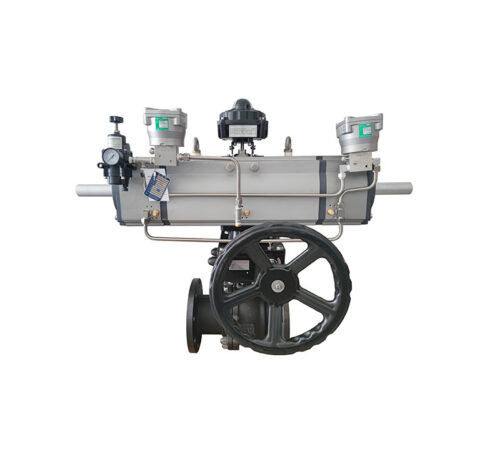
Performance Differences Between Symmetric and Canted Scotch Yokes
The primary difference lies in performance characteristics. Symmetric Scotch Yokes offer smoother, more predictable motion, which is essential for high-speed operations. Canted Scotch Yokes, however, provide greater versatility in handling non-linear movements. The choice between the two depends on the specific requirements of the application, such as load capacity and motion complexity.
Применение в промышленных условиях
In oil and gas, symmetric Scotch Yokes are favored for their reliability in continuous operation. They are often found in pumping systems where consistent performance is critical. Canted Scotch Yokes, on the other hand, are more common in petrochemical plants where variable motion profiles are necessary. The right selection ensures optimal efficiency and longevity of the equipment.
Maintenance and Durability Considerations
Maintenance requirements differ between symmetric and canted Scotch Yokes. Symmetric designs are generally easier to maintain due to their straightforward structure. Canted Scotch Yokes, with their complex geometry, may require more frequent inspections. Durability is another factor; symmetric yokes tend to have a longer lifespan in steady-state operations, while canted yokes excel in dynamic environments.
Заключение и ценностное предложение
Choosing the right Scotch Yoke is essential for maximizing operational efficiency and minimizing downtime. Symmetric designs offer precision and reliability, making them ideal for consistent applications. Canted Scotch Yokes provide the flexibility needed for more complex tasks. By understanding the differences, professionals can select the most suitable mechanism for their specific needs, ensuring optimal performance and longevity in industrial settings.
Keywords
Scotch Yoke, symmetric Scotch Yoke, canted Scotch Yoke, industrial applications, oil and gas, petrochemicals, automation systems, motion profiles, performance differences, maintenance considerations
Популярные товары
Свяжитесь с нами
Адрес: комната 203-1, 2-й этаж, корпус А, ул. Синьцинь, д. 9, район Синьву, г. Уси, провинция Цзянсу, КНР
Мобильный: 0086-188-5271-7918
Email:william@wxaccton.com
Веб-сайт: www.actuator-china.com