
Can the Scotch Yoke actuator be installed at any orientation?
2026-06-26 Блог
When engineers select valve actuators for industrial projects, installation flexibility often ranks high on the checklist. In fact, many procurement teams ask whether specific actuator types can mount in different positions without performance loss. This question matters especially for offshore and marine applications where space constraints often dictate unusual mounting arrangements.
How Does a Scotch Yoke Actuator Work?
First, let us briefly review the core mechanism behind this actuator type. Unlike rack-and-pinion designs that convert linear motion through gear teeth, this system uses a sliding yoke mechanism. The yoke connects directly to the valve stem, while a piston drives a pin that slides within the yoke slot. As the piston moves linearly, the pin forces the yoke to rotate, which then turns the valve stem.
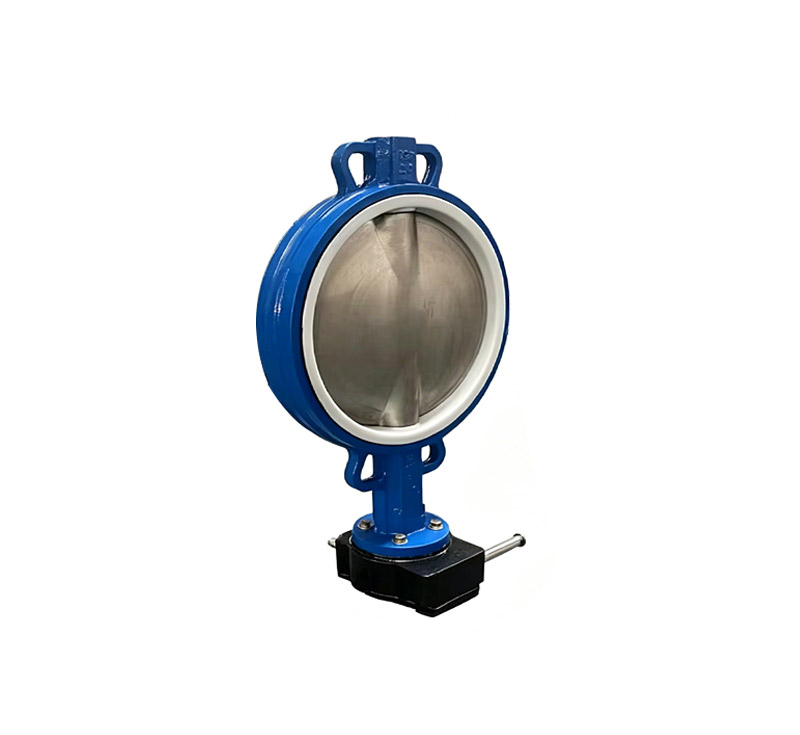
Furthermore, this design produces a torque curve that naturally matches the operating requirements of quarter-turn valves. At the beginning and end of the stroke, torque output reaches its peak. This characteristic makes the actuator particularly suitable for ball valves, butterfly valves, and plug valves across many process industries.
Does Mounting Orientation Affect Performance?
Now, we turn to the central question of installation orientation. In short, most modern actuators of this type can operate in virtually any position. However, this answer requires several important qualifications that every engineer should understand before making installation decisions.
For example, the basic mechanical function of the yoke and piston assembly does not depend on gravity. The sliding pin moves within a machined slot regardless of whether the actuator sits upright, sideways, or upside down. Similarly, the spring return mechanism, if equipped, exerts consistent force in any direction because spring tension depends only on compression distance.
Nevertheless, orientation does influence certain secondary aspects of actuator operation. Most notably, lubrication distribution changes with mounting position. In vertically mounted units, grease naturally settles toward the bottom of the cylinder. In horizontally mounted units, grease may accumulate along one side of the bore. Over extended periods, this uneven distribution can accelerate wear on specific seal surfaces.
What Factors Limit Installation Flexibility?
Additionally, several external factors can restrict installation orientation choices. First, the type of actuation medium plays a significant role. Pneumatic actuators generally tolerate more mounting positions than hydraulic versions. Hydraulic systems require careful consideration of fluid levels and venting, which become more complex in non-standard orientations.
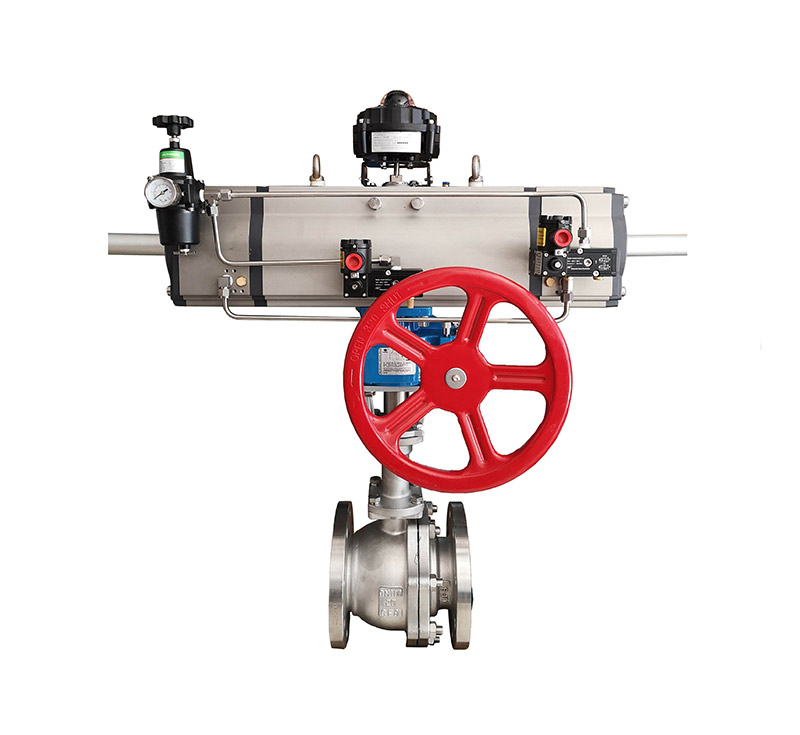
Moreover, accessories and auxiliary components often impose their own orientation requirements. Positioners, limit switches, and solenoid valves typically have recommended mounting positions. Some electronic positioners, for instance, specify vertical mounting to ensure proper sensor alignment. Similarly, manual override handwheels usually work best when accessible from above or the side.
Furthermore, environmental conditions can affect the optimal mounting orientation. In outdoor marine installations, for example, upside-down mounting may trap water inside the actuator housing. Drain plugs and breathers function properly only when installed at the lowest point of the unit. If the actuator mounts at an angle, these drainage features may not work as intended.
Installation Best Practices for Industrial Applications
Therefore, while the actuator itself may tolerate any orientation, engineers should follow several best practices. First, always consult the manufacturer’s installation manual for specific guidance. Different manufacturers may apply different tolerances based on their seal designs and material choices.
Second, consider the duty cycle and expected maintenance intervals. For continuously operating actuators in critical service, standard vertical or horizontal mounting usually proves more reliable. For infrequently operated units in non-critical applications, engineers have greater flexibility to choose unusual positions.
Third, plan for accessibility during the design phase. Maintenance technicians need room to adjust limit switches, replace solenoids, and perform lubrication. An actuator mounted in an awkward orientation might save space initially but create higher maintenance costs over its lifecycle.
Fourth, pay special attention to seal life expectations. In non-standard orientations, certain seals experience higher loads and may require more frequent replacement. Procurement teams should factor this into total cost of ownership calculations when evaluating different actuator options.
Finally, consider the valve orientation as well. The actuator must align properly with the valve stem regardless of mounting position. Misalignment between actuator output shaft and valve stem causes excessive side loading, which damages both components over time.
Making the Right Installation Decision
In conclusion, the Scotch Yoke actuator offers substantial installation flexibility across most industrial applications. The fundamental mechanism operates reliably in vertical, horizontal, and inverted positions. However, engineers must evaluate each application individually rather than assuming universal compatibility.
By considering factors like actuation medium, accessory requirements, environmental conditions, and maintenance access, project teams can make informed decisions. When in doubt, consulting the manufacturer’s technical support team provides the most reliable guidance for specific installations.
For procurement managers and engineering teams in the oil and gas, chemical, and marine industries, this flexibility represents a significant advantage. It allows designers to optimize piping layouts and equipment arrangements without being constrained by actuator mounting requirements. With proper planning and attention to detail, these actuators can deliver reliable performance in virtually any installation configuration.
Популярные товары
Свяжитесь с нами
Адрес: комната 203-1, 2-й этаж, корпус А, ул. Синьцинь, д. 9, район Синьву, г. Уси, провинция Цзянсу, КНР
Мобильный: 0086-188-5271-7918
Email:william@wxaccton.com
Веб-сайт: www.actuator-china.com