In industrial flow control systems, accurate valve positioning matters significantly. For this reason, operators often seek reliable ways to monitor valve status in real time. Specifically, many professionals ask whether local position indicators come standard with their actuation equipment. This question carries particular weight for offshore and marine applications where visibility may be limited. To clarify this common inquiry, we examine the current state of position indication technology across the industry.
Understanding Local Position Indicators
First, let us define what a local position indicator actually does. In simple terms, this device shows the open or closed status of a valve directly at the equipment site. Unlike remote monitoring systems, it requires no digital interface or network connection to function. Instead, operators can read the position visually during routine inspections or maintenance rounds. For hazardous or hard-to-reach locations, this immediate feedback becomes especially valuable. Furthermore, these indicators often work independently of main power sources, adding an extra layer of reliability.
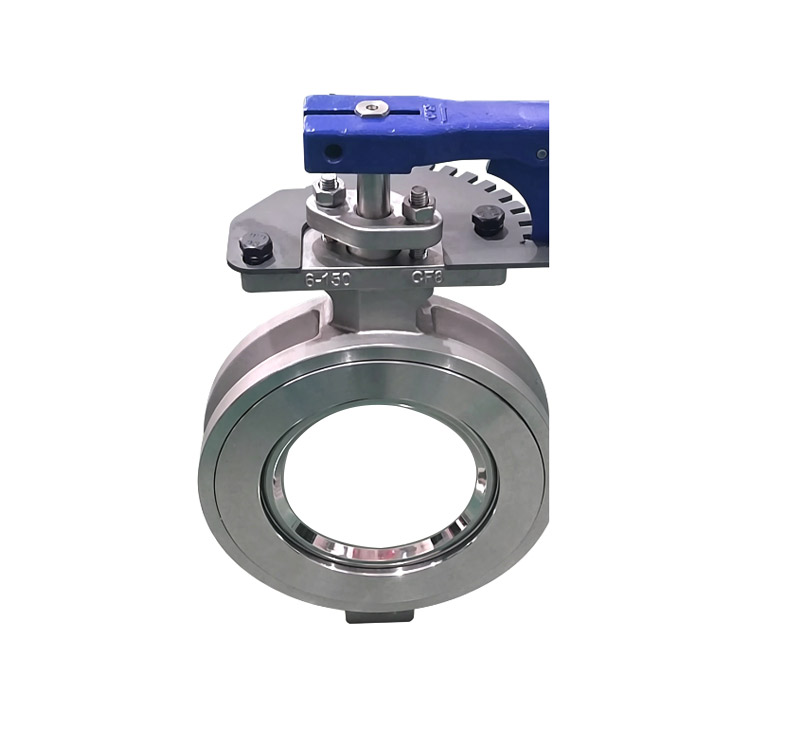
Beyond basic status display, some indicators provide more detailed position information. For instance, graduated scales show the exact percentage of valve opening at a glance. This level of detail helps operators fine-tune flow rates without returning to a control room. Additionally, mechanical designs require minimal maintenance over long service periods. In harsh industrial environments, this durability represents a significant practical advantage.
How Valve Actuators Benefit from Position Feedback
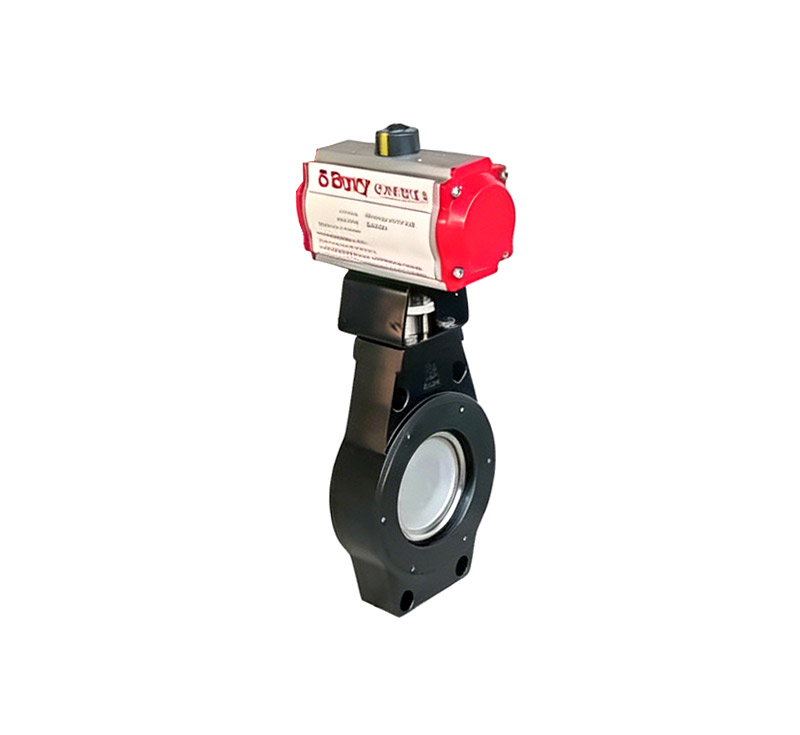
Now, we turn to the relationship between position indication and actuation technology. Valve actuators drive the opening and closing of valves across many industrial settings. Without proper feedback, operators cannot confirm whether a command executed successfully. In contrast, a local indicator provides instant visual confirmation at the point of operation. This direct verification reduces the risk of process errors and improves overall system safety. Additionally, maintenance teams use these indicators to diagnose issues quickly during equipment checks.
During emergency shutdown procedures, every second of response time counts. For this reason, having visible position status directly at the valve saves critical moments. Operators do not need to wait for control room confirmation before taking further action. Similarly, during commissioning phases, technicians rely on these indicators to calibrate travel limits accurately. This hands-on verification ensures that the system performs as intended before full operation begins.
Standard Inclusion vs. Optional Upgrades
Moving forward, we address the core question about availability. Most modern electric and pneumatic actuators include basic position indication as a standard feature. However, the level of detail varies significantly between manufacturers and product lines. Basic models typically show only fully open or fully closed positions. On the other hand, advanced units offer continuous position feedback across the entire travel range. For more precise applications, buyers can often upgrade to higher-resolution indicators at additional cost. Therefore, availability depends largely on product tier and specific manufacturer policies.
Entry-level actuators sometimes omit local indicators entirely to keep costs low. In such cases, aftermarket solutions provide a viable path for adding this functionality later. Many third-party manufacturers produce universal indicator kits that fit common actuator models. Still, buyers should carefully review specifications before selecting a retrofit option. Compatibility issues can arise from differences in mounting patterns or stem travel dimensions.
Key Types of Position Indication Technologies
Next, we explore the different technologies used in these devices. Mechanical indicators use physical pointers or flags that move with the valve stem. Similarly, visual window indicators show colored bands to represent position status. For digital solutions, LED displays provide clear readings even in low-light environments. Furthermore, some systems combine mechanical and electronic elements for dual redundancy. Each approach offers distinct advantages depending on the operating environment and required precision.
Mechanical indicators excel in rugged environments where electronics might fail. For example, offshore platforms with high salt exposure often prefer all-mechanical designs. On the other hand, electronic indicators offer more precise readings and easier integration with control systems. Some models even transmit position data wirelessly to nearby monitoring devices. Hybrid approaches balance the reliability of mechanical parts with the convenience of digital output.
Compatibility and Installation Considerations
Beyond technology type, compatibility plays a crucial role in selection. Not all indicators fit every actuator model or valve size. For this reason, buyers should verify compatibility before making a purchase decision. Retrofit kits do exist for many older systems, but installation requires careful planning. Moreover, environmental factors such as temperature, humidity, and corrosion potential affect material choices. For marine and offshore use, stainless steel or coated components typically perform best over time.
Installation complexity varies based on the indicator type and existing equipment. Simple mechanical flags often attach directly to the valve stem with minimal modification. In contrast, electronic systems may require wiring and calibration by qualified technicians. Additionally, certain hazardous area classifications demand explosion-proof enclosures and certified components. These requirements add both cost and lead time to the installation process.
Regulatory and Safety Requirements
Additionally, regulatory standards often mandate position indication for certain applications. In the petrochemical sector, for example, safety protocols require visible valve status at critical points. Similarly, marine classification societies set specific rules for valve monitoring on ships and offshore platforms. These requirements stem from the need for quick response during emergency situations. Furthermore, insurance providers may require proper indication systems to maintain coverage eligibility. Compliance, therefore, becomes both a safety and business consideration for industrial operators.
Different regions enforce varying standards for industrial equipment safety. For instance, European markets follow ATEX directives for explosive atmospheres. Meanwhile, American facilities adhere to OSHA and NEC regulations. International projects may need to satisfy multiple certification bodies simultaneously. This complexity makes it essential to work with suppliers who understand regional requirements thoroughly.
Making the Right Choice for Your Operation
In conclusion, local position indicators are widely available for industrial actuation equipment. Most manufacturers include basic versions as standard features on their products. For enhanced functionality, various upgrade options suit different application needs and budgets. When selecting a system, consider factors such as environment, precision requirements, and regulatory obligations. Most importantly, verify compatibility with existing equipment to avoid integration issues later. With the right setup, operators gain improved safety, better process control, and more efficient maintenance workflows.
For teams managing large valve networks, consistency across installations simplifies training and maintenance. Standardizing on a particular indicator type across facilities reduces spare parts inventory as well. Over the long term, this standardization delivers measurable cost savings alongside operational benefits. Ultimately, the investment in proper position indication pays dividends through reduced downtime and improved process reliability.