
Что вызывает перегрев электрогидравлического привода?
2026-06-12 Блог
What causes an электрогидравлический привод to overheat? This question is critical for industries relying on precise fluid power systems. Overheating can lead to reduced efficiency and potential system failures. Understanding the root causes is essential for maintaining optimal performance and extending equipment lifespan. Below, we explore the primary factors contributing to overheating in electro-hydraulic actuators.
Insufficient Cooling Systems
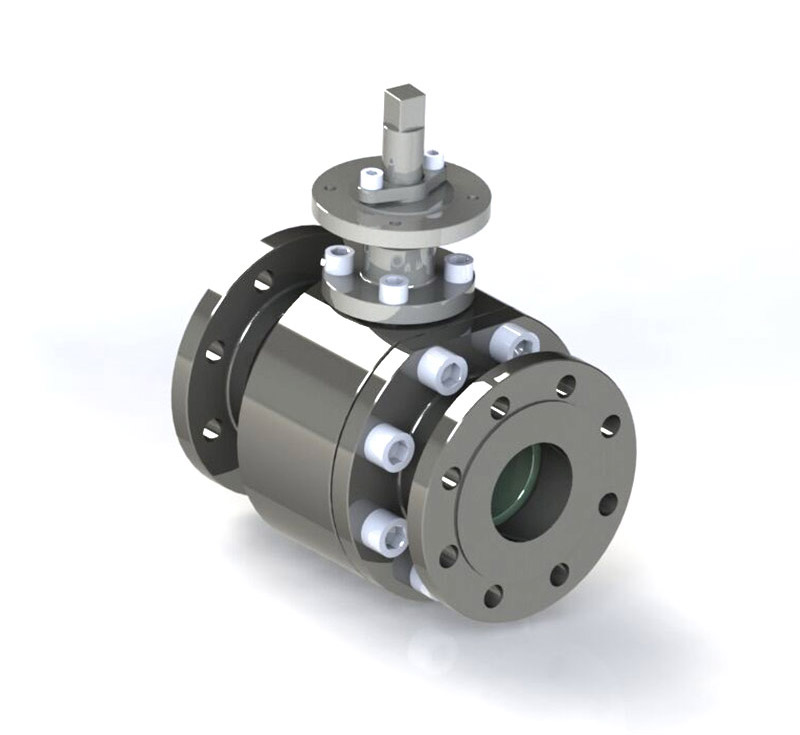
Effective cooling is vital for electro-hydraulic actuators. Insufficient cooling systems can result from inadequate design or blockages in the fluid circuit. Heat buildup occurs when the actuator operates under heavy loads for extended periods. Without proper cooling, internal components may degrade prematurely. Regular maintenance of cooling channels and fans ensures optimal heat dissipation. This helps prevent overheating and maintains consistent performance.
Excessive Fluid Pressure
High fluid pressure is a common cause of overheating. When pressure exceeds the actuator’s rated capacity, friction increases significantly. This generates excess heat within the system. Monitoring pressure levels and adjusting them to recommended values is crucial. Over-pressurization can also damage seals and valves, leading to further inefficiencies. Proper calibration and pressure regulation prevent unnecessary strain on the actuator.
Contaminated Hydraulic Fluid
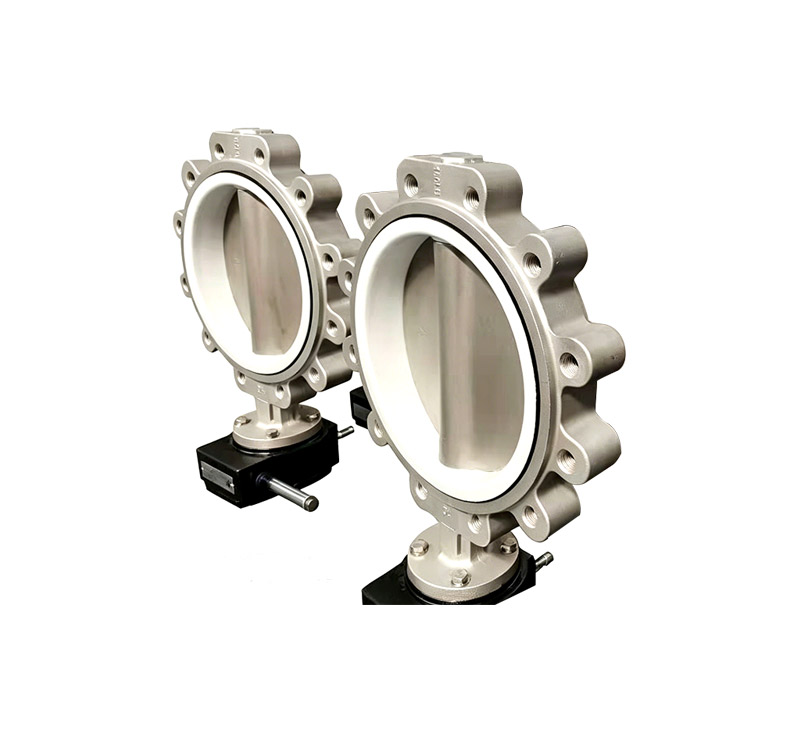
Impurities in hydraulic fluid can impair heat transfer and increase friction. Contaminants such as dirt or metal particles disrupt smooth operation. This leads to higher temperatures and reduced efficiency. Regular fluid filtration and quality checks are necessary. Clean fluid ensures optimal lubrication and heat dissipation. It also prolongs the life of the actuator and the entire hydraulic system.
Overloading the Actuator
Operating the actuator beyond its load capacity is a frequent cause of overheating. Continuous heavy-duty use without adequate rest periods can overwhelm the system. Distributing workloads evenly prevents excessive heat buildup. Implementing overload protection mechanisms ensures the actuator operates within safe limits. This reduces the risk of overheating and maintains reliability.
Electrical Issues
Faulty electrical connections or components can contribute to overheating. Poor wiring or damaged cables create resistance, generating heat. Regular inspections of electrical circuits are essential. Proper grounding and insulation minimize energy losses. Addressing electrical issues promptly prevents further damage and ensures the actuator functions efficiently.
In conclusion, overheating in electro-hydraulic actuators stems from various factors. Effective cooling, controlled pressure, clean fluid, balanced loading, and electrical integrity are key considerations. Proactive maintenance and monitoring mitigate risks and enhance system longevity. For industries seeking reliable fluid power solutions, understanding these causes is invaluable. Investing in quality components and proper installation ensures optimal performance and safety. By addressing these issues, businesses can maximize efficiency and minimize downtime.
Свяжитесь с нами
Interested in our Actuator? Reach out anytime via. Email: william@wxaccton.com. We eagerly await your contact!
Популярные товары
Свяжитесь с нами
Адрес: комната 203-1, 2-й этаж, корпус А, ул. Синьцинь, д. 9, район Синьву, г. Уси, провинция Цзянсу, КНР
Мобильный: 0086-188-5271-7918
Email:william@wxaccton.com
Веб-сайт: www.actuator-china.com