
Что такое гистерезис пневмогидравлического привода?
2026-06-15 Блог
Introduction to Pneumatic-Hydraulic Actuators
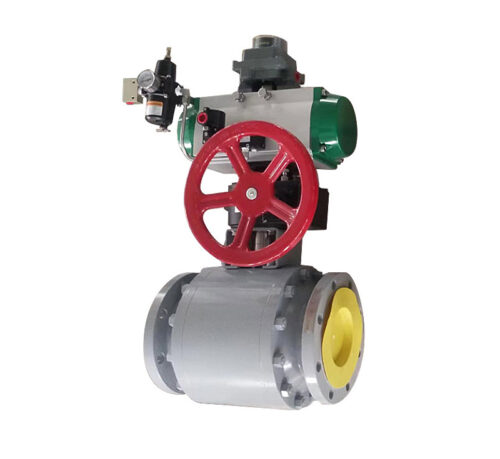
Pneumatic-hydraulic actuators are widely used in industrial applications. They combine the benefits of pneumatic and hydraulic systems. These actuators provide high force output with precise control. Understanding their hysteresis is crucial for optimal performance. Hysteresis affects the efficiency and accuracy of the actuator. This article explores the hysteresis of pneumatic-hydraulic actuators. It helps readers make informed decisions.
Definition of Hysteresis in Actuators
Hysteresis refers to the difference between the input and output of a system. In actuators, it is the variation in position under the same pressure. This phenomenon occurs due to mechanical and fluid friction. Hysteresis can lead to energy loss and reduced precision. It is essential to minimize hysteresis for better performance. Proper design and materials can reduce this effect significantly.
Causes of Hysteresis in Pneumatic-Hydraulic Actuators
Several factors contribute to hysteresis in pneumatic-hydraulic actuators. Mechanical components like pistons and seals can cause friction. Fluid dynamics also play a role in the movement. Temperature fluctuations may affect material properties. Understanding these causes helps in designing more efficient actuators. Manufacturers can use advanced materials to reduce friction.
Impact of Hysteresis on Performance
Hysteresis affects the overall performance of pneumatic-hydraulic actuators. It can lead to slower response times. Inaccurate positioning is another issue. Energy consumption may increase due to higher friction. These effects are critical in applications requiring high precision. Reducing hysteresis improves efficiency and reliability. It ensures smoother operation in demanding environments.
Methods to Reduce Hysteresis
Several methods are available to minimize hysteresis in actuators. Lubrication can reduce mechanical friction. Using low-friction materials improves performance. Proper alignment of components also helps. Advanced designs, such as self-lubricating bearings, can make a significant difference. Regular maintenance is essential to keep hysteresis in check.
Importance of Hysteresis in Industrial Applications
In industrial settings, hysteresis can have serious consequences. It may lead to equipment failure if not addressed. Precision tasks require minimal hysteresis for accuracy. Energy efficiency is another critical factor. Reducing hysteresis helps in extending the lifespan of the equipment. It also lowers operational costs in the long run. Industrial buyers should prioritize actuators with low hysteresis.
Conclusion: Choosing the Right Actuator
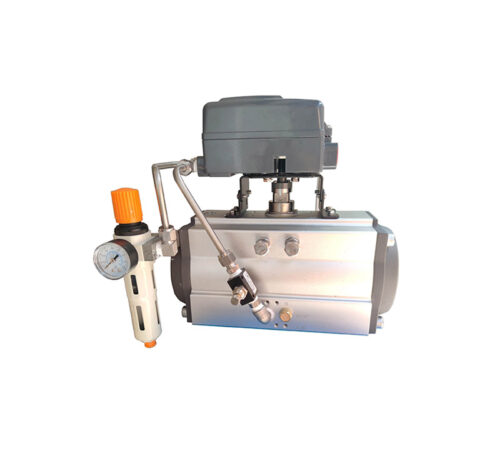
Selecting the right pneumatic-hydraulic actuator is vital for optimal performance. Hysteresis is a key factor to consider. It affects efficiency, accuracy, and energy consumption. Buyers should look for actuators with low hysteresis. Advanced materials and designs can help achieve this. Proper maintenance also plays a role. By understanding hysteresis, industrial buyers can make better decisions. It ensures reliable and efficient operation in their applications.
Популярные товары
Свяжитесь с нами
Адрес: комната 203-1, 2-й этаж, корпус А, ул. Синьцинь, д. 9, район Синьву, г. Уси, провинция Цзянсу, КНР
Мобильный: 0086-188-5271-7918
Email:william@wxaccton.com
Веб-сайт: www.actuator-china.com