
Why do pneumatic actuators have slow opening and closing speed?
2026-08-14 Блог
Why Do Pneumatic Actuators Have Slow Opening and Closing Speed?
Introduction
Pneumatic actuators serve as critical components across modern industrial fluid control systems. In fact, these devices convert compressed air energy into mechanical motion for valve operation. However, many plant engineers notice noticeably slow opening and closing speeds during daily operations. This performance gap directly affects process response times and overall production efficiency. Understanding the root causes helps procurement teams select better solutions for their specific applications. This article explores the primary factors behind slower actuation speeds in pneumatic systems.
Air Compressibility as a Fundamental Physical Limit
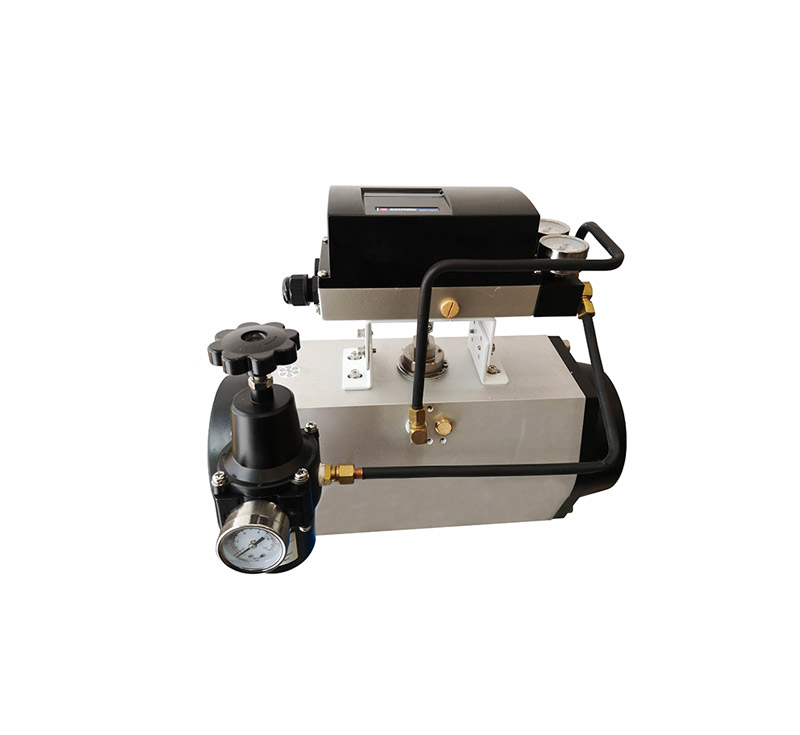
First, air compressibility represents the most fundamental reason for slower actuation response. Unlike hydraulic fluids that remain nearly incompressible, air molecules compress significantly under pressure. When air enters the actuator chamber, it must first build sufficient pressure before movement begins. This compression delay creates an inherent lag between signal input and physical valve motion. Additionally, larger actuator volumes require more air to fill before reaching operating pressure. Consequently, pneumatic systems naturally respond slower than their hydraulic counterparts in most scenarios.
Supply Pressure and Flow Rate Limitations
Furthermore, insufficient supply pressure directly reduces pneumatic actuator opening and closing speeds. Most industrial systems operate between 4 and 6 bar of compressed air. When pressure drops below recommended levels, available force decreases proportionally. Similarly, inadequate flow volume extends the time needed to fill actuator chambers completely. Restricted air supply lines or undersized compressors often create this bottleneck. Moreover, shared air networks with multiple consumers cause temporary pressure drops during peak demand periods. Facility managers should regularly audit supply pressure at each actuator connection point.
Valve Size and Actuator Load Requirements
In addition, larger valve sizes naturally require longer stroke times for full operation. Bigger valves feature larger port diameters and heavier internal components. Pneumatic actuators must generate enough torque to overcome both fluid dynamics and mechanical friction. Higher differential pressures across the valve also increase required actuation force. As a result, oversized actuators move slower despite producing greater overall torque. Conversely, undersized units struggle to move valves within acceptable timeframes. Proper sizing according to actual operating conditions remains essential for optimal speed performance.
Air Line Restrictions and Component Resistance
Moreover, pneumatic system components create cumulative resistance that slows air delivery. Long tubing runs, narrow pipe diameters, and excessive bends all reduce effective airflow. Solenoid valves, filter-regulators, and quick-exhaust units add further restriction points along the path. Each component introduces pressure drop that diminishes the energy reaching the actuator itself. Similarly, dirty or clogged air filters impede airflow and degrade performance over time. Regular maintenance of air preparation equipment helps maintain consistent actuation speeds throughout the system lifecycle.
Internal Friction and Mechanical Design Factors
Additionally, internal friction within the actuator mechanism directly impacts opening and closing velocity. Piston seals, guide rings, and rod packing all create resistance during movement. Higher quality materials and precision manufacturing reduce but never eliminate this friction completely. Spring-return actuators face additional resistance during spring compression cycles. Furthermore, misaligned valve mounting introduces side loads that increase friction dramatically. Proper installation and periodic lubrication help minimize frictional losses in pneumatic actuation systems.
Temperature Effects on Air Density and Viscosity
Finally, ambient temperature changes influence pneumatic actuator performance in measurable ways. Colder conditions increase air density and require more mass to fill actuator chambers. Low temperatures also thicken grease inside actuators and raise mechanical friction levels. Conversely, extreme heat reduces air density and lowers available force output. Both scenarios ultimately extend opening and closing cycle times. Facilities operating in extreme climates should specify temperature-appropriate actuator models and lubricants for reliable performance.
Practical Solutions to Improve Actuation Speed
Fortunately, several proven methods help improve pneumatic actuator response times effectively. Installing quick-exhaust valves near the actuator reduces exhaust path length dramatically. Volume boosters increase airflow rate without raising main system supply pressure. Using larger diameter tubing minimizes pressure drop between supply and actuator. Positioners with integrated control features also optimize valve travel profiles precisely. Most importantly, proper system sizing during initial selection prevents most speed-related performance issues before installation.
Conclusion
In summary, slow opening and closing speeds in pneumatic actuators stem from multiple interconnected factors. Physical air compressibility sets the fundamental limit for all pneumatic systems. Supply pressure limitations, valve sizing, component restrictions, friction, and temperature all contribute to the final result. Understanding these factors helps industrial procurement specialists make informed equipment decisions. While pneumatic actuators cannot match hydraulic speed, proper system design delivers reliable performance for most industrial applications. Working with experienced fluid control partners ensures optimal speed, efficiency, and reliability for every project requirement.
Популярные товары
Свяжитесь с нами
Адрес: комната 203-1, 2-й этаж, корпус А, ул. Синьцинь, д. 9, район Синьву, г. Уси, провинция Цзянсу, КНР
Мобильный: 0086-188-5271-7918
Email:william@wxaccton.com
Веб-сайт: www.actuator-china.com